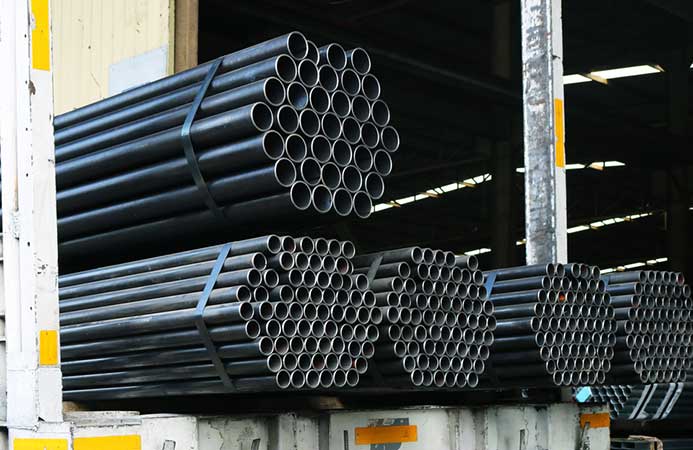
A well chosen pipe can turn an ordinary project into a reliable long term system, and the decision often starts with understanding the core difference between seamless and welded carbon steel pipes.
Many buyers feel uncertain at the start, but the truth is that both options offer valuable strengths when used in the right setting. This matters greatly for builders and industries looking for trustworthy products from carbon steel pipe suppliers in UAE.
How is a Seamless Pipe Formed?
A seamless pipe is formed from a solid cylindrical billet that is heated and pierced through the center, then stretched and shaped until it becomes a uniform tube. Because there is no weld line, the structure remains consistent from end to end.
This gives the pipe impressive pressure tolerance and a smooth interior that supports steady flow. Industries that handle high heat or intense pressure often lean on seamless pipes for system safety and dependable performance.
The Strengths of Welded Pipes:
Welded pipes start as flat sheets of steel that are rolled and joined along a seam. Modern production methods give the seam remarkable strength, making welded pipes a reliable choice for many applications.
These pipes stand out due to excellent availability and cost efficiency. They support large scale projects that need long runs of consistent diameter, such as construction, water transport, and structural use. For many buyers, welded pipes strike a smart balance between value and durability.
How to Decide Between the Two:
Choosing the right pipe type depends on the demands of your project. If your system will face high pressure, rapid temperature changes, or corrosive materials, a seamless pipe offers added reassurance.
If your focus is steady flow, large quantities, or a project that demands cost conscious decisions, welded pipes deliver strong performance. Suppliers often help clients match these qualities to their operational needs, making selection simpler and more strategic.
Why You Need Reliable Supplier Guidance:
A trusted supplier brings insight into manufacturing standards, testing methods, and material grades. This support ensures the pipe you choose aligns with industry requirements and long term performance goals. From quality checks to sourcing advice, supplier input helps prevent costly mistakes and reinforces project safety.
Both seamless and welded pipes serve important roles. When you understand their strengths, you can make choices that support durability, efficiency, and value in every build.


