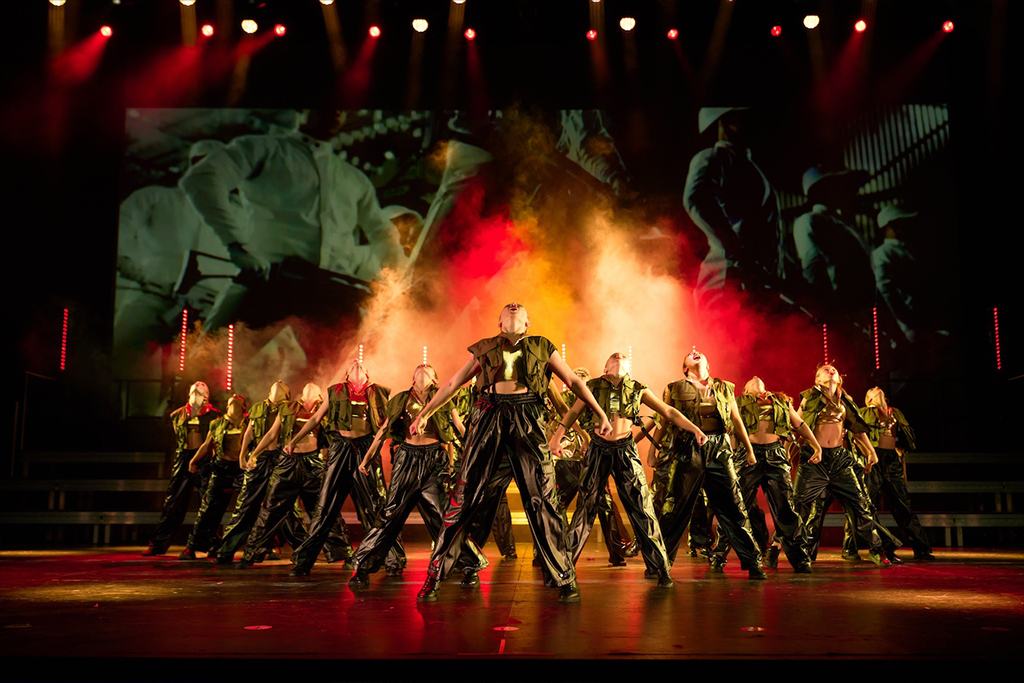
Rhythms pulse within human hearts, urging bodies to sway in unique ways. While popular styles grab headlines, lesser-known movements wait in silence, holding deep history and grace. These rare expressions capture emotions that words fail to reach.
Each movement serves as a bridge, connecting performers to ancient roots. These graceful styles reveals why people crave the rhythm of a beautiful dance Dubai.
Floating water steps:
Some performers mimic the gentle flow of streams. These artists glide across stages with soft, fluid motions. They maintain balance while keeping arms curved like waves. Watching them creates a calm atmosphere, as if time slows down to match their gentle pace.
Shadow mimicry:
This style plays with light and darkness. Dancers position their limbs to create shapes that mimic animals or plants on a backdrop. It demands extreme control over small muscle groups. Observers find themselves guessing what shape will appear next, making each performance a game of visual surprises.
Leaf falling style:
Originating from nature, this technique focuses on dropping weight toward the earth. Performers jump high, then descend with sudden, soft landings. They aim to resemble leaves drifting down from trees. This requires quiet feet and perfect timing to maintain the illusion of floating.
Knot binding movements:
This unique expression forces dancers to cross limbs in complex ways. They link arms and legs to represent tight bonds between people. Watching these performers untangle themselves requires careful attention. It displays unity and trust as they support weight while twisted into loops.
Flame flickering motions:
Some traditions capture the erratic nature of fire. Performers shake their shoulders and hands in quick, jagged bursts. They move from frozen poses to rapid shaking instantly. This contrast provides a sharp, energetic show that wakes up the senses and keeps eyes locked on the stage.
Stone balancing posture:
This method centers on absolute stillness. Dancers hold difficult poses for minutes, resembling statues carved from rock. They control breathing to avoid any visible shaking. When they finally transition, the shift happens so slowly that viewers barely notice until the entire pose shifts into a new, stable arrangement.
These expressions prove that creativity lacks boundaries. Every movement carries meaning, preserved by those who value these specific traditions. They remain vital parts of culture, waiting for new eyes to appreciate their distinct beauty. Seeking out such performances widens horizons, showing fresh ways to move.